Budget Travel Tips for Expensive Cities USA: Save Money on Your Trip
Can You Visit Expensive USA Cities on a Budget?
Traveling to famous American cities can feel expensive before the trip even begins. Cities like New York, San Francisco, Honolulu, Seattle, Los Angeles, Boston, and Washington, D.C. are known for high hotel prices, costly restaurants, paid attractions, parking charges, and busy tourist areas. In Numbeo’s 2026 cost-of-living ranking, New York, Honolulu, San Francisco, Seattle, and Washington, D.C. all appear among the more expensive global cities listed.
But the good news is simple: you do not need to be rich to enjoy these cities. With smart planning, flexible dates, public transport, free attractions, and careful food choices, you can explore expensive USA cities without destroying your travel budget.
This guide shares practical budget travel tips expensive cities USA travelers can use before and during their trip. Whether you are visiting New York City for the first time, planning a San Francisco weekend, exploring Los Angeles, or going to Honolulu, these tips can help reduce unnecessary spending.
The main idea is not to avoid expensive cities. The goal is to travel smarter. Instead of paying premium prices for everything, you can choose affordable neighborhoods, travel outside peak times, use city transit, eat like locals, and focus on experiences that give the best value.
By the end of this guide, you will know how to save money on accommodation, food, transport, sightseeing, shopping, and daily travel costs in some of the most expensive cities in the USA.
Choose the Right Time to Visit
One of the best budget travel tips for expensive cities in the USA is to visit at the right time. Travel prices change a lot depending on the season, local events, holidays, and weekends.
Hotels in big cities often become more expensive during summer, Christmas, New Year, school holidays, major sports events, concerts, festivals, and business conferences. If your travel dates are flexible, try to avoid these peak periods.
For example, New York City can be very expensive around Christmas and New Year because many tourists visit for holiday decorations, shopping, and Times Square celebrations. Beach destinations like Honolulu and Miami may become more expensive during winter when travelers want warm weather. Cities with major conferences, such as Las Vegas, San Francisco, and Boston, can also become costly when large events are happening.
A smart budget traveler should compare prices before booking. Check hotel rates for different weeks, not just one date. Sometimes moving your trip by only a few days can save a lot of money.
Best time-saving tips
Travel during shoulder season. This means the time between peak and low season. You may still get good weather but lower prices. Book weekdays instead of weekends. In many tourist cities, Friday and Saturday nights are more expensive. Avoid major events unless you are attending them. A concert, sports final, or festival can increase hotel prices quickly. Use price alerts for flights and hotels. This helps you book when rates drop. If your goal is to enjoy the city, not a specific event, flexible timing is one of the easiest ways to save money.
Save Money on Hotels and Accommodation
Accommodation is usually the biggest expense in expensive USA cities. A hotel in the main tourist area may cost much more than a hotel just a few subway or bus stops away.
Instead of booking the most central hotel, look for safe nearby neighborhoods with good public transport. In New York, staying outside Times Square may save money. In San Francisco, hotels away from Union Square or the waterfront may be cheaper. In Los Angeles, location matters because the city is spread out, so staying near the places you plan to visit can save both time and transport costs.
Budget travelers should compare hotels, hostels, guesthouses, apartment stays, and extended-stay options. For families or groups, a room with a small kitchen can reduce food costs because you can prepare breakfast or simple meals.
Accommodation tips for expensive USA cities
Book early if your dates are fixed. Stay near public transport instead of paying more for a tourist-center hotel. Compare total cost, not just room price. Check taxes, resort fees, parking fees, cleaning fees, and service charges. Choose hotels with free breakfast when the price is reasonable. Avoid hotels that charge high parking fees if you are renting a car. Consider staying one or two neighborhoods away from famous attractions. A cheaper hotel is not always better if it is far from everything. If you save $40 on the room but spend $50 on rideshares, it is not a good deal. The best option is a balance between price, safety, and location.
Use Public Transport Instead of Cars and Rideshares
Transportation can quickly increase your travel cost in expensive cities. Parking, tolls, fuel, taxis, and rideshares can become costly, especially in places like New York, San Francisco, Boston, and Washington, D.C.
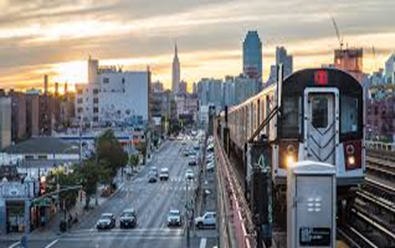
Public transport is often the best choice. In New York City, the subway and local bus fare is $3 for most riders, and OMNY fare capping means you do not pay more than $35 in a 7-day period for subway and local bus fares if you use the same payment method.
Los Angeles Metro is also budget-friendly compared with rideshare costs. A regular Metro ride is listed at $1.75 and includes two hours of free transfers when using a TAP card.
In San Francisco, Muni is usually cheaper than renting a car or paying for parking. SFMTA lists current regular fares at $2.85 with Clipper and $3.00 cash, while proposed changes show fare updates may happen in future years, so travelers should always check current prices before visiting.
Smart transport tips:
Use subway, bus, light rail, or streetcar systems where available. Walk short distances instead of taking rideshares. Buy day passes or weekly caps only if you will ride enough to make them worth it. Avoid renting a car in cities with expensive parking. Use airport trains or buses instead of taxis when possible. Plan your daily route by area so you do not cross the city many times. Transport savings can be huge. If you replace even two rideshare trips per day with public transport, you can save enough money for meals, attractions, or another night of travel
Eat Well Without Overspending
Food is another area where expensive cities can drain your budget. Restaurants in tourist zones often charge higher prices, and small daily purchases like coffee, snacks, drinks, and tips can add up fast.
The best way to save money is to mix restaurant meals with cheaper local options. You do not need to avoid restaurants completely. Instead, choose carefully.
Look for food trucks, bakeries, delis, local diners, grocery stores, markets, and casual restaurants away from major tourist streets. In cities like New York, Los Angeles, and San Francisco, you can find excellent food at many price levels if you avoid the most tourist-heavy areas.
Food-saving tips:
Eat breakfast from a grocery store, bakery, or hotel breakfast. Carry a refillable water bottle. Choose lunch specials instead of dinner meals. Share large portions when possible. Avoid eating every meal near famous attractions. Try local street food, food halls, and casual dining spots. Search menus online before entering a restaurant. A simple rule is to spend more on one special meal and save on the rest. For example, you can enjoy one nice dinner but eat affordable breakfasts and lunches. This gives you the experience of the city without making every meal expensive. Families can save even more by booking accommodation with a fridge or small kitchen. Buying fruit, snacks, water, and breakfast items from a supermarket can reduce daily spending.

Find Free and Low-Cost Attractions
Expensive USA cities often have many free or low-cost things to do. You do not need to pay for every museum, observation deck, tour, or attraction to enjoy the city.
Many famous experiences are free. Walking across the Brooklyn Bridge, exploring Central Park, visiting public beaches, seeing city viewpoints, walking historic neighborhoods, enjoying street performances, and visiting public markets can all be memorable without high costs.
In Washington, D.C., many major museums and monuments are free, making it one of the best expensive-looking cities for budget sightseeing. In New York, parks, public libraries, Staten Island Ferry views, neighborhood walks, and free events can help reduce costs. In San Francisco, walking the waterfront, seeing the Golden Gate Bridge, exploring neighborhoods, and visiting public parks can be budget-friendly.
Attraction-saving tips:
Search for free museum days. Check city tourism websites for free events. Use student, senior, military, or youth discounts if eligible. Choose one paid attraction per day instead of many. Compare city passes carefully before buying. Enjoy parks, public art, viewpoints, beaches, and historic streets.
City passes can be useful, but only if you will actually visit enough included attractions. Do not buy a pass just because it looks like a deal. Add the normal ticket prices of the places you truly want to visit, then compare.
A good budget travel plan mixes paid highlights with free experiences. This keeps the trip exciting without making every day expensive.
Final Budget Travel Plan for Expensive USA Cities
The best way to travel cheaply in expensive cities is to plan your daily spending before you arrive. A simple travel budget can help you avoid surprises.
Divide your budget into five main categories: accommodation, transport, food, attractions, and emergency money. Once you know your daily limit, it becomes easier to make smart choices.
For example, if your hotel is expensive, balance it with public transport and low-cost meals. If you want to enjoy a famous paid attraction, choose free activities for the rest of the day. Budget travel is about balance, not saying no to everything.
Simple daily budget example:
Accommodation: choose a safe, affordable place near transit
Transport: use public transport and walking
Food: grocery breakfast, casual lunch, one planned dinner
Attractions: mix one paid activity with free sightseeing
Emergency: keep extra money for delays, tips, or unexpected costs
FAQs
1. What is the best way to save money in expensive USA cities?
The best way is to save on the biggest costs first: hotels, transport, and food. Stay near public transport, avoid tourist-zone restaurants, use free attractions, and travel during cheaper dates.
2. Is public transport cheaper than renting a car in big USA cities?
In many expensive cities, yes. Public transport is usually cheaper than renting a car, paying for fuel, parking, tolls, and insurance.
3. Which USA cities are expensive for tourists?
New York City, San Francisco, Honolulu, Los Angeles, Boston, Seattle, Miami, and Washington, D.C. are commonly considered expensive because of accommodation, food, transport, and attraction costs.
4. How can I find cheap food while traveling?
Look for grocery stores, food trucks, bakeries, local diners, lunch specials, and restaurants outside tourist areas. Checking menus online before visiting can also help.
5. Are city passes worth it?
City passes are worth it only if you plan to visit enough included attractions. Always compare the pass price with the normal ticket prices of your selected attractions.
6. How can families save money in expensive cities?
Families can save by booking rooms with breakfast or kitchens, using public transport, choosing free attractions, carrying snacks, and avoiding high parking fees.
7. Can I visit New York or San Francisco on a budget?
Yes. These cities are expensive, but budget travelers can save by staying outside the most touristy areas, using public transport, eating casual meals, and enjoying free attractions.